East Meets Bet: How Asian Gaming Roots Are Quietly Transforming America's Online Gambling Scene
East Meets Bet: How Asian Gaming Roots Are Quietly Transforming America's Online Gambling Scene
Walk into a pachinko parlor in Osaka and you'll feel it immediately — the sensory overload, the rhythmic clatter of steel balls, the electric buzz of competition humming through the air. It's not just a game. It's a cultural ritual. Now fast-forward to a Vietnamese-American household in San Jose or a Korean-American neighborhood in Flushing, Queens, and you'll find that same spirit alive — just on a laptop screen or a smartphone app.
Asia's gaming traditions didn't stay in Asia. They traveled with the people, and today they're quietly reshaping what the US online betting scene looks like, who it caters to, and how platforms are competing for a rapidly growing audience.
A Brief Tour Through Asia's Gaming Heritage
To understand where we're headed, it helps to know where things started. Gaming culture across Asia isn't a monolith — it's a rich tapestry of regional traditions, each with its own flavor.
Japan's pachinko industry alone generates more revenue annually than Las Vegas and Macau combined. That's not a typo. The game itself is deceptively simple — a vertical pinball machine of sorts — but the culture around it runs deep. Pachinko parlors are social spaces, neighborhood fixtures, places where time slows down and strategy matters.
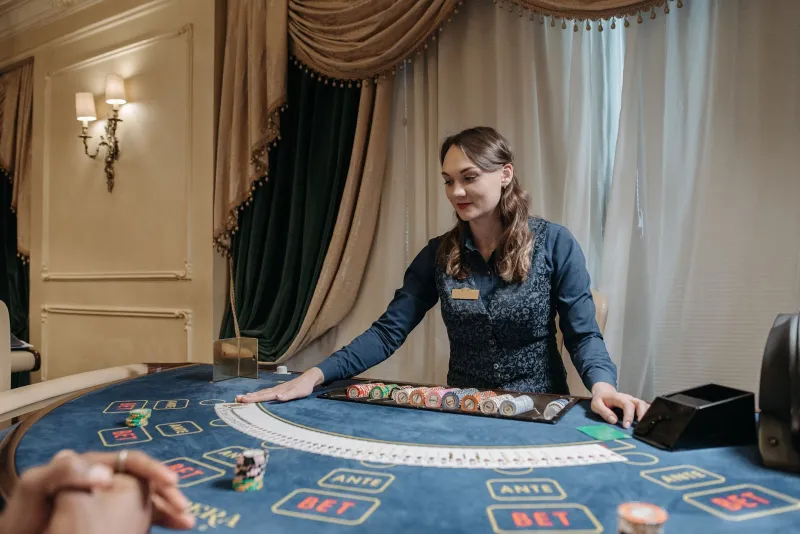
Then there's Macau, often called the "Las Vegas of Asia," though that comparison undersells it. Macau's gaming revenue has historically dwarfed Nevada's, and the game at the center of it all? Baccarat. While American casinos tend to treat baccarat as a high-roller side attraction, in Macau and across much of Southeast Asia, it's the main event. The game's appeal lies in its simplicity and its perceived fairness — no complex strategy required, just a clean battle between the player and the banker.
Mahjong, meanwhile, is practically woven into the social fabric of Chinese communities worldwide. Whether it's a weekend gathering in a Cantonese household or a high-stakes game in a Taiwanese social club, mahjong carries with it a sense of community and cultural identity that few Western games can match.
These aren't just games. They're expressions of culture, and that distinction matters enormously when we talk about the US market.
The Asian-American Betting Audience Is Growing — Fast
The Asian-American population in the United States has grown to over 24 million people, making it one of the fastest-expanding demographic groups in the country. And within that population, there's a segment that's both digitally savvy and culturally connected to gaming traditions that mainstream US platforms often overlook entirely.
Think about it from a user's perspective. If you grew up playing mahjong with your grandparents, or if your family has fond memories of watching baccarat games during Lunar New Year gatherings, logging onto a platform that offers those exact experiences — presented in a way that feels familiar, not foreign — is a completely different experience than navigating a site built exclusively around American football parlays and Texas Hold'em.
This is where cultural authenticity stops being a nice-to-have and starts being a genuine competitive advantage.
What "Cultural Authenticity" Actually Means in Online Gaming
It's easy to slap a few red lantern graphics on a website and call it culturally relevant. But real authenticity goes much deeper than aesthetics.
It means offering game variants that Asian players actually recognize and prefer. It means understanding that a Vietnamese player might approach sports betting with different priorities than someone from the Midwest — soccer (or football, as the rest of the world calls it) and badminton might matter far more than the NFL. It means building an interface where the language options, the payment methods, and even the betting structures feel intuitive rather than like an afterthought.
Platforms like VNXO88 are built with exactly this understanding at their core. The game library isn't just a generic casino catalog with a few Asian-themed slot skins thrown in. It's a curated collection that includes live baccarat tables with real dealers, mahjong-style game formats, and sports wagering options that reflect what Asian and Asian-American communities actually care about.
That kind of intentionality resonates. When a platform genuinely understands your cultural reference points, it builds trust in a way that no marketing campaign can manufacture.
Bridging Tradition and Digital Convenience
Here's one of the more interesting dynamics at play: many of the Asian-Americans who are most drawn to culturally familiar gaming experiences are also among the most digitally fluent users in the country. This isn't a demographic that needs hand-holding through an app. They want speed, security, and a seamless experience — but they also want that experience to feel like it was built for them.
That combination — cultural resonance plus modern digital execution — is exactly the gap that platforms operating in this space are trying to fill. The old model of "build a generic platform and hope everyone adapts" simply doesn't cut it when your target audience has specific preferences and the savvy to find exactly what they're looking for.
VNXO88's approach leans into this directly. The platform is designed to feel like a natural extension of Asian gaming culture, not a translation of it. There's a difference. A translation feels awkward. An extension feels like home.
Sports Betting Through an Asian Lens
Beyond casino games, sports wagering is another area where cultural perspective changes everything. The Asian betting market has long been sophisticated about sports like soccer, cricket, table tennis, and esports — categories that are growing rapidly in US popularity but still treated as secondary by many American-focused platforms.
For Asian-American bettors who want to wager on a Champions League match or an international badminton tournament, finding a platform that takes those markets seriously — with competitive odds, live betting options, and genuine depth — is a real differentiator.
Esports is worth calling out specifically. Asia has dominated competitive gaming globally for decades, and the esports betting market reflects that cultural investment. Platforms that recognize this aren't just chasing a trend; they're acknowledging a legitimate and deeply rooted part of Asian gaming culture.
Why This Moment Matters
The US online gaming market is still relatively young, with legal sports betting expanding state by state and online casino access continuing to evolve. That means the competitive landscape is still being defined. The platforms that win long-term won't necessarily be the ones with the biggest marketing budgets — they'll be the ones that build genuine loyalty by actually understanding their users.
For the Asian-American community, that loyalty is there to be earned. The gaming traditions are already present. The appetite is real. What's been missing, in many cases, is a platform that treats these players as a primary audience rather than an afterthought.
That's the opportunity — and increasingly, it's the direction the industry is moving. From the pachinko parlors of Japan to the baccarat tables of Macau to a live dealer game on your phone in California, the thread connecting these experiences is the same: the universal human love of a good game, played on your own cultural terms.
VNXO88 is built on that thread. And in a market this big, that kind of cultural clarity might just be the smartest bet of all.